

RECOVERY PROGRAMS: Overcoming Challenges & Finding Solutions
Given the complex and sensitive nature of the work, recovery programs face unending challenges. Addressing individual treatment needs, managing relapse risks, resource limitations, and the need for ongoing support in a safe environment complicates the task of providing effective, personalized care for individuals seeking to overcome addiction. Sustained success is a continual effort. But as technology advances, effective tools that support the staff and the clients are available. In this blog, we explore the newest breakthrough in neurofeedback technology, Clarity Direct Neurofeedback, and how it can play a transformative role in recovery programs.
What is Clarity Direct Neurofeedback?
Neurofeedback, in a nutshell, is brain training. It trains the brain to self-regulate. Now, enter Clarity Direct Neurofeedback (CDN) – a game-changer in the field. This cutting-edge approach doesn’t expect an unstable brain to try to self-regulate. That’s asking someone with an ankle cast to run a marathon. CDN uses a very gentle, customized micro signal to actually reset the neural pathways of the brain, causing unhealthy patterns to find their way to a healthier homeostasis. CDN has unique features like 5-20 minutes sessions and no conscious effort by the client. It’s evidence-based, non-invasive, and designed to make recovery more accessible than ever.
Enhancing Your Recovery Program
How does Clarity Direct Neurofeedback fit into the recovery program puzzle? Imagine addressing stress, detox symptoms, reducing cravings, and enhancing emotional regulation and clarity of thought in a way that feels almost effortless. Clarity Direct can seamlessly integrate into different phases of a recovery program, from individual therapy sessions to group settings and aftercare. Healthcare professionals are singing its praises. The simplicity of the system doesn’t compromise its effectiveness – it enhances it. The result? A tool that complements and elevates existing recovery program resources.
Benefits for Patients
The real impact of CDN are the stories of transformation. Research and case studies have highlighted how Clarity Direct Neurofeedback reduces symptoms, improves sleep, and increases self-awareness. Patient experiences showcase not just recovery but an improved quality of life. It’s not just about managing symptoms; it’s about unlocking a path to long-term recovery success.
Since 2014, CLARITY Direct Neurofeedback has been a valuable resource for patients in my private practice as well as rehab patients under my supervision as Clinical Director. I have witnessed subtle and often profound symptom reduction when utilized during detoxification and with co-existing mood disorders as well as ADHD and insomnia. The results are often immediate and it works well with other mindfulness based neurofeedback approaches to enhance the cumulative benefit. I highly recommend CLARITY Direct Neurofeedback for use with patients in treatment programs and other clinical settings. – Dr. Sucher
Getting Started with Clarity Direct Neurofeedback
The implementation process is straightforward, and resources are available to guide you through every step. Consider a free consultation or a trial program for your recovery program. It’s a chance to witness first hand how Clarity Direct Neurofeedback can complement and enhance your current practices.
Catalyst for Recovery Programs
Clarity Direct Neurofeedback isn’t just a tool; it’s a catalyst for transformation in recovery programs. From its basic principles of stimulating neuroplasticity to the specific challenges it addresses, like compliance and burn out, this innovative approach offers a valuable addition to the recovery toolkit. The testimonials speak volumes about its impact on patients and practitioners alike.
As you consider ways to improve outcomes in your recovery program, schedule a Complimentary Zoom Consult with Clarity founder, Meg Stuppy. Together, you can explore the ways CDN integrates into and enhances your current work. It’s not just a recovery program; it’s rewriting the narrative of success for both professionals and the individuals on their journey. Commit to continuous improvement in the field of addiction recovery, speak with Meg today.
Frequently Asked Questions About Neurofeedback for Addiction Recovery
How does neurofeedback support addiction recovery?
Addiction fundamentally rewires the brain’s reward circuits, creating patterns that drive compulsive behavior even when a person is committed to sobriety. Neurofeedback works by training the brain to develop healthier neural pathways and restore balance to the dysregulated systems that addiction has disrupted. By addressing the neurological roots of cravings, anxiety, and emotional instability, neurofeedback gives recovering individuals a stronger foundation for lasting change. At Los Angeles Neurofeedback Center, many patients in recovery programs report feeling calmer, more focused, and better equipped to manage the triggers that previously led to relapse.
Can neurofeedback help prevent relapse?
Relapse often occurs because the brain’s stress response and reward systems remain dysregulated long after someone stops using substances. Neurofeedback directly addresses these underlying brain patterns by training the brain to self-regulate more effectively. Research has shown that individuals who incorporate neurofeedback into their recovery programs experience lower relapse rates compared to those who rely solely on traditional treatments. The training helps stabilize mood, reduce anxiety, and improve sleep, all of which are critical factors in maintaining long-term sobriety.
What types of addiction does neurofeedback treat?
Neurofeedback has been used effectively as a complement to recovery programs for a wide range of substance use disorders, including alcohol dependence, opioid addiction, stimulant abuse, and benzodiazepine dependence. It has also shown promise for behavioral addictions. The approach works regardless of the specific substance because it targets the common brain patterns that underlie addictive behavior, particularly the dysregulation in the prefrontal cortex and the overactivation of the brain’s stress and reward circuits.
Is neurofeedback safe to use alongside other recovery treatments?
Neurofeedback is completely non-invasive and drug-free, making it an ideal complement to other recovery treatments including counseling, group therapy, medication-assisted treatment, and twelve-step programs. It does not interfere with medications and carries no risk of cross-dependency. Many addiction treatment professionals now view neurofeedback as a valuable addition to comprehensive recovery programs because it addresses the neurological dimension that talk therapy and medication alone may not fully reach.
How many sessions does someone in recovery need?
The number of sessions varies depending on the individual’s history, the substances involved, and the severity of the neurological dysregulation. Most patients begin noticing improvements in mood, sleep, and cravings within the first ten sessions. A typical course of neurofeedback for addiction recovery involves twenty to forty sessions, with many patients choosing to continue maintenance sessions periodically after the initial training phase. At Los Angeles Neurofeedback Center, each treatment plan is guided by qEEG brain mapping to ensure training is precisely targeted.
What does a neurofeedback session feel like during recovery?
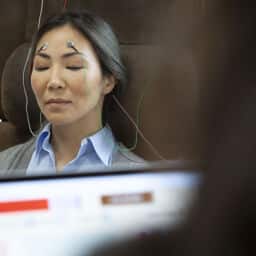
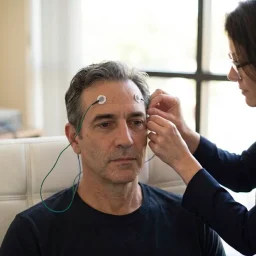
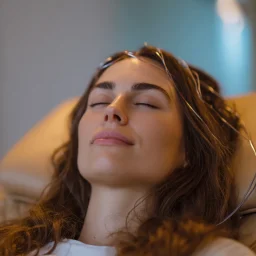
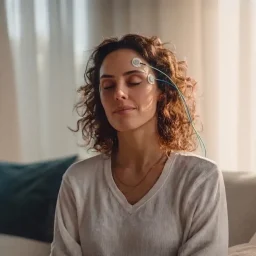
A neurofeedback session is a relaxing, passive experience. You sit comfortably while small sensors placed on your scalp monitor your brainwave activity. With CLARITY Direct Neurofeedback, the approach used at Los Angeles Neurofeedback Center, you do not need to concentrate or perform any mental tasks. Most patients describe the experience as deeply calming, and many notice they feel less anxious and more clear-headed immediately after a session. Sessions typically last about thirty minutes, and there is no recovery time needed afterward.
Explore how neurofeedback supports addiction recovery by retraining the brain.