

HEART AND BRAIN FUNCTION
An inside experience to HeartMath Training
I started HeartMath while completing the Direct Neurofeedback Protocol at LA Neurofeedback Center. The DNFB increased the intensity, frequency, and duration of my emotional stability. Yet, when I felt unsafe in public locations or was challenged by work or threatening people, my emotional stability would still waver, and my brain function shut down. My NeuroCoach suggested HeartMath to me to use in between sessions, when I was traveling, and when my emotional stability was showing signs of wear. I am so grateful the NeuroCoach suggested it. The HeartMath solution has given me tangible things to do when I want to change how I am feeling, for instance, when I am alone in a public place and someone feels threatening, or when I have a deadline and my brain function is shutting down.
After training in HeartMath for 4 months (and completing my Neurofeedback protocol), I know how to neutralize stress, so I regain composure and emotional stability. I am finally tackling projects and life goals. Life goals that used to cause me panic and downward spirals, are now either achieved or I am confident I can make the changes with enough consistent effort. And HeartMath helps me be consistent. To me the benchmark of emotional stability is the ability to tackle adversity and challenge. I am now grateful when uncomfortable emotions arise because it is a chance for me to heal them. I am prepared with the HeartMath techniques to understand and diffuse them.
Here are the bullet points of how the HeartMath solution and LA Neurofeedback Center’s HeartMath Specialist helped me start living again:
Window into my inner state:
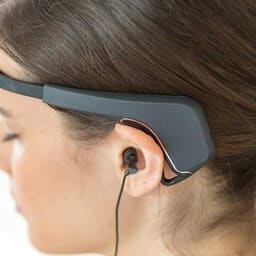
In general, setbacks in emotional stability – including emotions such as anger, frustration, and anxiety—gives rise to heart rhythm patterns that appear irregular and erratic, like jagged peaks. Using the Inner Balance device and app, I saw my heart rhythm pattern and the influence I had over it. I became less paralyzed by the negative emotions because I could tangibly see them and change them visually.
Aversion to inefficient (unhealthy) moods and behaviors:
The first stage of training is adding coherence to your heart and body. Once you are adept at accessing that coherence, you can use it to restructure thoughts, beliefs, attitudes and moods. I found within a couple of months; my emotional stability began locking in. Like one of those clown punching bags, that bounces back to center after you hit it. It was like my body found the anger or irritability or negativity inefficient and developed an immunity to that draining response. My emotional stability did not want to be disrupted and had more tolerance for triggers around me.
Feel safe in my body again:
I live in a big city and when unstable people are being erratic, I can feel unsafe and my body starts to freeze up. Now, when I feel threated, I return to my HeartMath techniques and regain composure in the moment. I’ve even noticed that as I stay calm and alert, the threatening people leave the area. I can relax knowing I have this “superpower” of emotional stability against their attempts at intimidation.
Lowered Pain Levels:
Whether it’s the day after working out, or close to that time of the month, I’ve found that after completing the 5 months of HeartMath daily training, I am less bothered by pain. Sometimes the pain is there, but I can reduce the intensity using the HeartMath techniques. Other times, I use the techniques to focus else where and I stop noticing the pain. Lastly, the pain levels seem to be less overall. Less pain means more emotional stability and better communication with those I love.
Improved ability to fall asleep:
I did the HeartMath Heart Focused Breathing and Quick Coherence before bed. These techniques knocked me out better than any supplement. With more rest, it was easier to do the HeartMath and retain my emotional stability.
Physical performance:
When playing sports, I stayed calm and my reflexes improved. I also was able to keep my focus and continue trying, when I had fallen behind in the score. Furthermore, I maintained emotional stability when I fell off a horse and the injury was more minor than it could have been, and I recovered quicker.
Dating & Social Conflict:
I even used HeartMath to navigate dating and now I have a partner. When I look back at last Valentine’s Day and where I am now, it’s transformative. I am in a relationship now because the HeartMath solution taught me how to maintain emotional stability and re-structure automatic negative reactions. Using the Inner Balance has made me a peaceful, conscious, coherent partner AND it made it so I could clearly see and choose a healthy person for me, who matches my emotional stability.
Autonomy to Change:
After a month, I began using the Coherence techniques to restructure my approach to life situations. After the situation that made me feel bad, I would practice the coherence and then consider what I could have done instead from a coherent place. It felt so good to change those anxious or irritated or frustrated feelings. My interactions went more smoothly the mornings I did HeartMath. It’s like I had a cushion against things that could rock my boat. I even brought the Inner Balance on the airplane and in the car with me so I could do it in situations that generally unsettle or stress me. I used the device and techniques to prep before meetings and get my brain function into a clear state.
It was not a linear progression, yet, after 4 months, my heart rhythm stays in a more coherent wave and life is much happier and relaxed. I am so grateful for the HeartMath inner balance device and the techniques I learned specifically for my unique stress responses and attitudes with the HeartMath Specialist at LA Neurofeedback. I met with her a handful of times and each time learned something I used in life to feel better and increase emotional stability.
Thanks to Joann, a West LA Neurofeedback Center client for sharing her experience. Her intention was to inspire others to know they can make the life changes they hope for.
HeartMath is a cost-effective, time-tested, evidence-based solution for improvements in health, relationships, performance, and emotional stability. For those who want the most efficient experience, schedule a session with our HeartMath specialist. The HeartMath specialist identifies your unique stress response, and attitudes that are renewing versus draining. You’ll leave capable of practicing coherence, using the Inner Balance app, and aware of what techniques will stop your stress in its tracks. Emotional Stability can be something you not only regulate, but optimize, with HeartMath.
Frequently Asked Questions About HeartMath and Brain-Heart Connection
What is HeartMath training and how does it work?
HeartMath training is a scientifically validated biofeedback technique that teaches you to regulate your heart rhythm patterns to create a state of physiological coherence between your heart and brain. Using a sensor that monitors your heart rate variability in real time, HeartMath provides visual and auditory feedback that guides you toward producing smooth, rhythmic heart patterns associated with reduced stress, improved emotional regulation, and enhanced cognitive performance. At Los Angeles Neurofeedback Center, we use HeartMath as a complementary modality alongside neurofeedback to address the full spectrum of the mind-body connection, creating a more comprehensive approach to brain optimization and stress resilience.
How are the heart and brain connected in terms of mental health?
The heart and brain are far more interconnected than most people realize. The heart has its own intrinsic nervous system containing approximately 40,000 neurons that send more signals to the brain than the brain sends to the heart. This heart-brain communication highway, primarily through the vagus nerve, directly influences the brain regions responsible for emotional processing, decision-making, and stress regulation. When your heart rhythm is erratic and chaotic, it sends disruptive signals to the brain that impair cognitive function and amplify anxiety. When your heart rhythm is coherent and smooth, it sends harmonious signals that enhance clarity, emotional stability, and the ability to think under pressure.
Can HeartMath training help with anxiety and stress?
HeartMath training is highly effective for reducing anxiety and building long-term stress resilience. By learning to shift your heart rhythm into a coherent pattern, you activate the parasympathetic nervous system and reduce the production of stress hormones like cortisol. Research published in peer-reviewed journals has demonstrated that regular HeartMath practice significantly reduces anxiety symptoms, lowers perceived stress levels, and improves emotional well-being. Many clients at Los Angeles Neurofeedback Center find that combining HeartMath biofeedback with neurofeedback produces faster and more comprehensive results than either approach alone, because HeartMath addresses the autonomic nervous system while neurofeedback targets brainwave regulation directly.
How does HeartMath complement neurofeedback training?
HeartMath and neurofeedback are highly complementary because they target different but interconnected aspects of your nervous system. Neurofeedback trains the brain to produce optimal brainwave patterns for focus, calm, and emotional regulation, while HeartMath trains the heart and autonomic nervous system to maintain coherence and balance. When used together, clients often experience a synergistic effect where improvements in heart coherence support and accelerate the brain changes produced by neurofeedback, and vice versa. This integrated approach is particularly powerful for conditions like anxiety, PTSD, and chronic stress where both central and autonomic nervous system dysregulation are present.
Can I practice HeartMath techniques at home between sessions?
Yes, one of the greatest advantages of HeartMath training is that the techniques can be practiced anywhere, anytime, once you have learned the fundamental skills. Los Angeles Neurofeedback Center teaches clients specific HeartMath breathing and focusing techniques during in-office sessions, and many clients choose to purchase a personal HeartMath sensor to continue practicing at home with real-time biofeedback on their smartphone or tablet. Regular home practice between sessions accelerates progress and helps build the heart coherence skills into lasting habits that you can use during stressful moments throughout your day, whether you are preparing for an important meeting, managing a difficult conversation, or simply winding down before sleep.
How many HeartMath sessions are needed to see results?
Most clients begin to feel the effects of HeartMath training within the very first session, as the techniques produce immediate physiological shifts that can be felt as a sense of calm, clarity, or emotional ease. Building lasting coherence skills that transfer into daily life typically requires 6 to 12 sessions of guided training at Los Angeles Neurofeedback Center, combined with regular home practice. Because HeartMath is a skill-based approach rather than a passive treatment, the more you practice, the more quickly and reliably you can access coherent states. Many clients continue to use their HeartMath skills long after formal training ends as a lifelong tool for managing stress and optimizing performance.
Learn how HeartMath biofeedback training helps build emotional balance and coherence.